


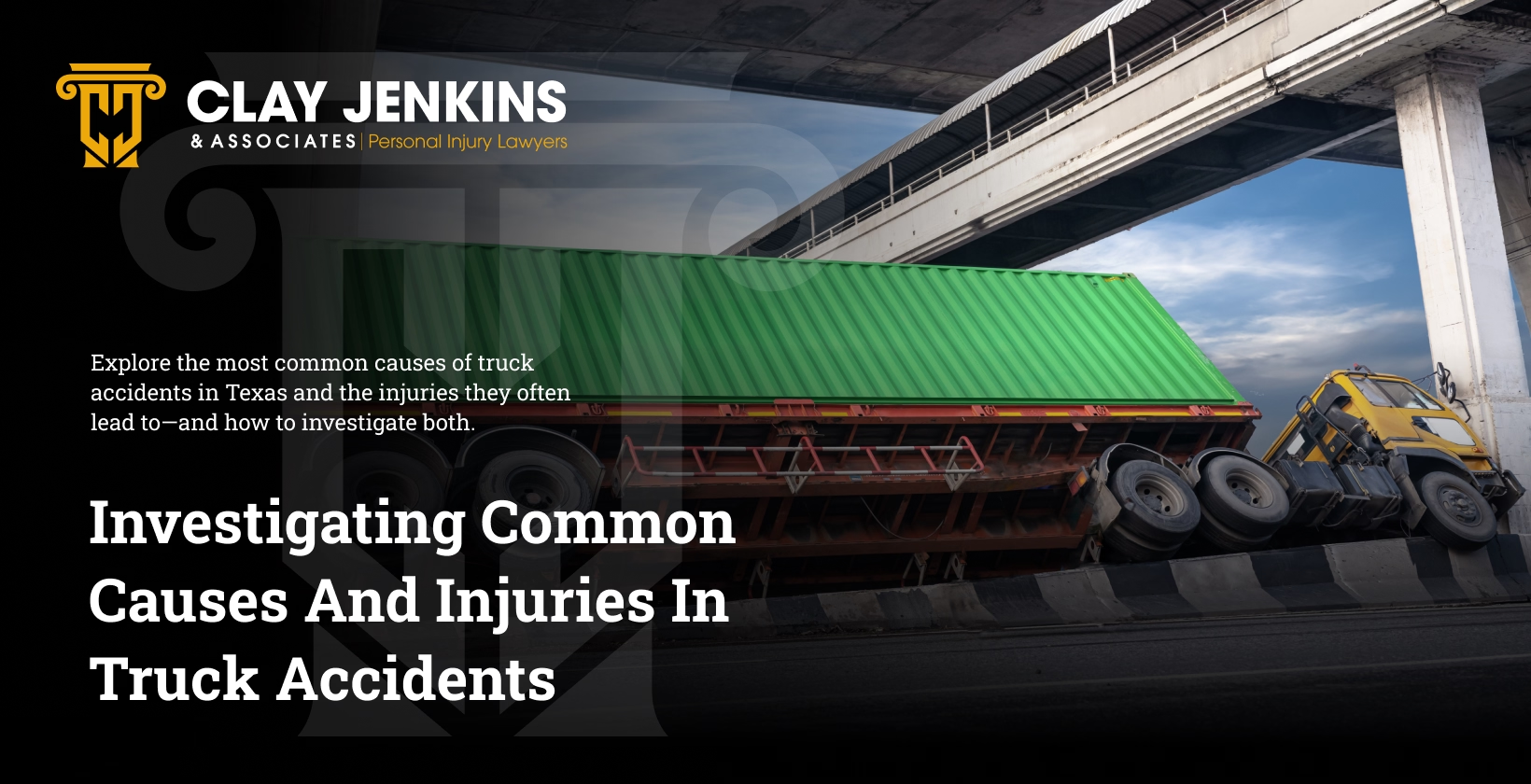
Common causes and injuries in truck accidents represent devastating collisions that affect thousands of Texas families each year. Truck accidents frequently result in catastrophic consequences due to the massive size differential between commercial vehicles and passenger cars, leading to severe physical trauma, overwhelming medical expenses, and profound emotional suffering for victims and their families.
Truck Crash Severity Factors
Truck crash severity factors dramatically influence the extent of damage, injuries, and fatalities occurring in collisions involving commercial vehicles. Understanding these critical elements helps victims comprehend why truck accidents typically produce far more devastating outcomes than standard passenger vehicle collisions.
Commercial Trucks as Road Hazards
Commercial trucks as road hazards pose unique dangers that everyday motorists rarely encounter with traditional passenger vehicles. The sheer magnitude of tractor-trailers, 18-wheelers, and other heavy commercial vehicles creates hazardous conditions requiring specialized training, enhanced safety protocols, and stringent regulatory oversight. These massive machines demand extended stopping distances, possess significant blind spots spanning multiple lanes, and require considerably wider turning radiuses that frequently endanger surrounding traffic. Operating these behemoths in congested urban environments, narrow rural highways, and adverse weather conditions exponentially increases collision risks, particularly when drivers fail to maintain proper vigilance or when companies prioritize delivery schedules over comprehensive safety practices.
Size and Weight Impact on Crashes
Size and weight impact on crashes fundamentally transforms minor incidents into catastrophic disasters involving commercial trucks. A fully loaded semi-truck can weigh up to 80,000 pounds—approximately 20 times heavier than a typical passenger vehicle weighing around 4,000 pounds. This massive weight differential means that collisions generate exponentially greater force, crushing passenger vehicles, demolishing safety features, and inflicting devastating injuries upon occupants. The physics of these impacts creates scenarios where survival depends largely upon collision angles, vehicle safety ratings, and immediate emergency response capabilities.
For a free legal consultation, call (972) 938-1234
Common Causes of Truck Accidents
Common causes of truck accidents stem from numerous preventable factors involving driver negligence, corporate shortcuts, inadequate maintenance protocols, and external environmental conditions.
1. Driver Fatigue (HOS Violations)
Driver fatigue resulting from Hours of Service violations represents one of the most prevalent and dangerous causes of truck accidents throughout Texas highways. Exhausted truckers operating under extreme sleep deprivation experience impaired judgment, reduced reaction times, microsleep episodes, and significantly diminished cognitive function comparable to intoxicated driving. Despite federal regulations limiting consecutive driving hours, many drivers and companies falsify logbooks or pressure operators to exceed safe limits to meet unrealistic delivery schedules.
2. Distracted Driving
Distracted driving encompasses any activity diverting a trucker’s attention from safely operating their massive commercial vehicle on public roadways. Texting, adjusting navigation systems, eating meals, reaching for items, or engaging with dispatch communications while driving creates extremely dangerous scenarios where momentary inattention results in catastrophic collisions. Given the extended distances trucks require for stopping and maneuvering, even brief distractions lasting mere seconds can prevent drivers from responding appropriately to changing traffic patterns, sudden obstacles, or emergency situations developing ahead.
3. Speeding and Aggressive Driving
Speeding and aggressive driving behaviors among commercial truck operators create unnecessarily hazardous conditions for all surrounding motorists sharing Texas roadways. Exceeding posted speed limits, following too closely behind other vehicles, making unsafe lane changes, and exhibiting road rage behaviors dramatically increase collision risks and injury severity. When massive commercial trucks travel at excessive speeds, the kinetic energy involved in potential crashes multiplies exponentially, transforming survivable incidents into fatal disasters that devastate families and communities.
4. Impaired Driving (Alcohol or Drugs)
Impaired driving involving alcohol or drugs represents an egregious violation of public trust and safety regulations governing commercial vehicle operations. Truckers operating under the influence of intoxicating substances, prescription medications, or illicit drugs demonstrate severely compromised judgment, slowed reaction times, impaired coordination, and dangerous decision-making capabilities. Federal Motor Carrier Safety Administration regulations mandate zero-tolerance policies, yet violations continue occurring with alarming frequency, endangering countless innocent motorists.
5. Inadequate Driver Training
Inadequate driver training leaves inexperienced operators unprepared to handle the complex demands of safely maneuvering massive commercial vehicles through diverse conditions. Proper training encompasses defensive driving techniques, emergency response procedures, adverse weather navigation, cargo securement protocols, and comprehensive vehicle inspection methodologies. Companies cutting corners by rushing training programs or failing to provide ongoing education create dangerous situations where unprepared drivers make catastrophic mistakes resulting in preventable accidents.
6. Poor Vehicle Maintenance
Poor vehicle maintenance creates mechanical hazards that transform properly functioning trucks into dangerous rolling disasters waiting for catastrophic failure. Neglecting routine inspections, delaying necessary repairs, ignoring warning indicators, and operating vehicles with known defects violates federal safety regulations while endangering everyone sharing the road. Critical systems including brakes, steering mechanisms, lighting equipment, and tire conditions require meticulous attention to prevent mechanical failures that cause devastating collisions.
7. Overloaded Cargo
Overloaded cargo exceeding federal weight limits compromises vehicle stability, extends braking distances, stresses mechanical components, and creates dangerous handling characteristics that increase accident risks. Trucking companies and shipping entities sometimes prioritize profits over safety by loading trailers beyond legal capacity, improperly distributing weight, or failing to secure cargo appropriately. These violations result in jackknifing incidents, trailer rollovers, cargo spills blocking roadways, and catastrophic collisions involving multiple vehicles.
8. Tire Blowouts (Mechanical Failures)
Tire blowouts and mechanical failures represent sudden catastrophic events that frequently cause drivers to lose control of massive commercial vehicles. Worn tread, improper inflation pressure, overloading, manufacturing defects, and inadequate maintenance contribute to tire failures that send trucks careening across multiple lanes, striking surrounding vehicles, and creating deadly pile-up scenarios. The explosive nature of blowouts startles even experienced drivers, making recovery extremely difficult when operating vehicles weighing tens of thousands of pounds.
9. Adverse Weather Conditions
Adverse weather conditions dramatically escalate dangers associated with commercial truck operations throughout unpredictable Texas climate zones. Heavy rainfall, dense fog, ice accumulation, strong winds, and severe thunderstorms reduce visibility, compromise traction, and create treacherous road surfaces that challenge even the most skilled operators. Truck drivers failing to adjust speeds appropriately, maintain safe following distances, or recognize when conditions warrant pulling off roadways contribute significantly to weather-related accidents.
10. Blind Spot (No-Zone) Errors
Blind spot errors occurring in the dangerous “no-zone” areas surrounding commercial trucks cause numerous preventable collisions throughout Texas highways daily. Massive trucks possess significant blind spots directly behind the trailer, along both sides extending multiple vehicle lengths, and immediately in front of the cab where passenger cars become completely invisible. When truckers change lanes, merge onto highways, or make turns without properly checking these blind spots, they inadvertently strike vehicles operating in these hazardous zones.
11. Traffic Law Violations
Traffic law violations committed by commercial truck operators demonstrate blatant disregard for regulations designed to protect public safety on shared roadways. Running red lights, ignoring stop signs, making illegal turns, failing to yield right-of-way, and violating posted traffic control devices create dangerous scenarios where preventable collisions occur. These infractions become particularly egregious when committed by professional drivers operating under commercial licenses subject to higher standards than ordinary motorists.
12. Improper Lane Changes
Improper lane changes executed without adequate signaling, mirror checks, or awareness of surrounding traffic patterns cause numerous truck accidents throughout congested highways. The considerable length of tractor-trailers requires drivers to plan lane changes well in advance while confirming sufficient space exists for safely maneuvering their extended vehicles. Sudden, unexpected lane changes force surrounding vehicles to take evasive action, frequently resulting in multi-vehicle pile-ups, sideswipe collisions, and vehicles being forced off roadways into dangerous terrain.
Investigating a Truck Crash
Investigating a truck crash requires comprehensive examination of physical evidence, electronic data, regulatory compliance documentation, and eyewitness testimony to establish causation and liability. Thorough investigations uncover critical details that determine fault, identify liable parties, and support victims’ claims for rightful compensation following devastating collisions.
Accident Reconstruction Methods
Accident reconstruction methods employed by experienced investigators utilize scientific principles, engineering expertise, and advanced technology to determine precisely how collisions occurred. Specialists analyze vehicle damage patterns, measure skid marks, calculate speeds, evaluate road conditions, and reconstruct collision sequences through computer simulations that visually demonstrate the dynamics of devastating crashes. These comprehensive analyses provide compelling evidence supporting legal claims by establishing fault through objective scientific methodologies that withstand scrutiny during litigation proceedings. Reconstruction experts consider countless variables including approach angles, impact forces, vehicle weights, road surface conditions, and environmental factors to create detailed reports explaining accident causation.
Black Box Data in Investigations
Black box data recovered from Electronic Control Modules installed in modern commercial trucks provides invaluable objective evidence regarding vehicle operations immediately preceding collisions. These sophisticated devices continuously record critical information including vehicle speed, braking patterns, throttle application, engine performance, cruise control status, and numerous other mechanical parameters. Investigators extract this data to establish whether drivers exceeded speed limits, failed to brake appropriately, or operated vehicles recklessly before crashes occurred. This electronic evidence often contradicts driver statements, revealing truthful accounts of negligent behaviors that caused devastating accidents.
Evidence Collected at the Scene
Evidence collected at the scene forms the foundation for successful truck accident investigations and subsequent legal claims filed by injured victims.
- Photographs and video footage documenting vehicle positions, damage patterns, debris fields, road conditions, traffic signals, and surrounding environmental factors.
- Witness statements from individuals observing the collision who provide independent accounts describing driver behaviors, vehicle movements, and circumstances surrounding the incident.
- Police reports prepared by responding officers documenting initial findings, issuing citations, recording statements, and establishing preliminary fault determinations based upon investigations.
- Physical evidence including skid marks, gouge marks, fluid spills, scattered cargo, displaced guardrails, and other indicators revealing collision dynamics and severity.
- Medical records documenting injuries sustained, emergency treatments administered, and initial diagnoses establishing direct causation between the accident and victims’ physical trauma.
Are ELD Records Used in Investigations?
Electronic Logging Device records maintained by trucking companies pursuant to Federal Motor Carrier Safety Administration regulations provide critical evidence establishing whether drivers violated Hours of Service requirements before causing accidents. These mandatory devices automatically record driving time, monitor compliance with rest period requirements, and create tamper-resistant documentation that investigators subpoena during litigation. ELD data frequently reveals that fatigued drivers violated federal regulations, supporting claims that exhaustion contributed directly to collision causation and establishing patterns of corporate negligence when companies systematically pressure drivers to exceed safe operating limits.
Click to contact our personal injury lawyers today
Common Truck Accident Injuries
Common truck accident injuries range from minor soft tissue damage to catastrophic trauma resulting in permanent disabilities, disfigurement, and profound life-altering consequences for victims and families.
1. Traumatic Brain Injuries (TBIs)
Traumatic brain injuries resulting from violent collisions with commercial trucks cause devastating cognitive impairments, personality changes, and permanent neurological deficits. Victims suffer from memory loss, difficulty concentrating, emotional instability, seizures, and reduced executive functioning that prevents returning to employment or maintaining relationships. These catastrophic injuries often require lifetime medical care, rehabilitation services, and constant supervision that creates overwhelming financial and emotional burdens for families supporting disabled loved ones.
2. Spinal Cord Injuries (Paralysis)
Spinal cord injuries causing paralysis represent the most devastating consequences of truck accidents, instantly transforming independent individuals into completely dependent patients. These catastrophic injuries result in paraplegia or quadriplegia, eliminating mobility, sensation, and bodily functions below injury sites. Victims face lifetime wheelchairs, extensive medical interventions, home modifications, constant care requirements, and psychological trauma associated with losing physical independence and confronting dramatically altered futures.
3. Broken and Crushed Bones
Broken and crushed bones sustained in truck accidents frequently involve complex fractures requiring surgical interventions, metal hardware implantation, and extended rehabilitation periods. These injuries affect ribs, femurs, pelvises, vertebrae, arms, hands, feet, and facial structures, causing excruciating pain and limiting mobility. Many victims never fully recover, experiencing chronic pain, arthritis development, reduced range of motion, and permanent physical limitations preventing return to previous employment or recreational activities.
4. Internal Organ Damage
Internal organ damage caused by blunt force trauma during truck collisions creates life-threatening emergencies requiring immediate surgical intervention to prevent death. Ruptured spleens, lacerated livers, punctured lungs, damaged kidneys, and injured intestines cause internal bleeding, infection risks, and organ failure complications. Survivors often require organ removal, transplants, or lifelong medication regimens while facing increased vulnerability to future health complications resulting from permanent organ impairment.
5. Severe Burns (Fuel and Hazmat)
Severe burns resulting from fuel fires or hazardous material exposures during truck accidents cause excruciating pain, extensive scarring, and disfigurement affecting victims throughout their remaining lives. These devastating injuries require specialized burn unit treatment, multiple skin graft surgeries, and lengthy rehabilitation periods involving painful physical therapy. Survivors face permanent scarring, limited mobility, psychological trauma from altered appearances, and heightened infection risks that complicate recovery and diminish quality of life.
6. Amputations (Loss of Limbs)
Amputations resulting from catastrophic truck accidents involve traumatic limb severance or surgical removal necessitated by crushing injuries, vascular damage, or severe infections. Losing arms, legs, hands, or feet permanently alters victims’ lives, requiring prosthetic devices, extensive rehabilitation, home modifications, and psychological counseling. These life-changing injuries eliminate career opportunities, reduce independence, create ongoing medical expenses, and force victims to confront profoundly different futures than anticipated before devastating collisions occurred.
7. Whiplash and Neck Injuries
Whiplash and neck injuries commonly occur when sudden impact forces violently snap victims’ heads forward and backward during rear-end truck collisions. These injuries damage cervical vertebrae, muscles, ligaments, tendons, and nerves, causing chronic pain, headaches, dizziness, and limited mobility. Many victims experience persistent symptoms lasting months or years, requiring ongoing chiropractic care, physical therapy, pain management, and potentially surgical interventions that fail to restore full function.
8. Chest and Rib Injuries
Chest and rib injuries sustained when steering wheels, dashboards, or seatbelts impact victims during collisions cause fractured ribs, collapsed lungs, and cardiac contusions. These painful injuries restrict breathing, limit physical activities, and create complications including pneumonia development during recovery periods. Victims experience sharp pain with every breath, movement, or cough, making normal activities impossible while healing slowly over extended periods requiring significant pain medication.
9. Soft Tissue Damage
Soft tissue damage affecting muscles, tendons, and ligaments throughout victims’ bodies causes persistent pain, reduced mobility, and functional limitations that medical imaging often fails to definitively diagnose. These injuries result in chronic discomfort, weakness, stiffness, and inflammation that prevents returning to previous employment or enjoying recreational activities. Treatment requires physical therapy, chiropractic care, massage therapy, and pain management strategies that provide limited relief while victims struggle with invisible injuries others dismiss as minor.
10. PTSD (Psychological Trauma)
Post-Traumatic Stress Disorder resulting from surviving horrific truck accidents creates severe psychological suffering including flashbacks, nightmares, anxiety attacks, depression, and debilitating fear preventing normal functioning. Victims develop paralyzing phobias about driving, highways, or trucks that isolate them socially and professionally. These invisible injuries require extensive mental health treatment, potentially including therapy, medication, and support groups, yet many victims never fully recover from psychological trauma sustained during near-death experiences.
11. Facial and Dental Injuries
Facial and dental injuries cause disfigurement, permanent scarring, broken teeth, jaw fractures, and eye damage that affects victims’ appearances, self-confidence, and social interactions. These injuries require reconstructive surgeries, dental implants, maxillofacial procedures, and cosmetic interventions that never fully restore pre-accident appearances. Victims struggle with altered self-images, social anxiety, employment discrimination, and psychological trauma associated with permanent facial disfigurement resulting from negligent drivers’ actions.
12. Nerve Damage
Nerve damage sustained during truck accidents causes chronic pain, numbness, tingling sensations, muscle weakness, and loss of sensation affecting victims throughout their remaining lives. These injuries result from compression, stretching, or severing of nerves during violent collisions, creating permanent disabilities that resist most treatment interventions. Victims experience burning sensations, electric shock feelings, and functional impairments that prevent performing job duties, household tasks, and recreational activities previously enjoyed.
Complete a Free Case Evaluation form now
Long-Term Impact of Injuries
Long-term impact of injuries sustained in truck accidents extends far beyond initial physical trauma, creating profound lifelong consequences affecting victims’ health, finances, relationships, and overall quality of life.
1. Chronic Pain and Disability
Chronic pain and disability resulting from catastrophic truck accident injuries creates persistent suffering that dominates victims’ daily existence for years or permanently. Constant discomfort prevents sleeping, working, exercising, or enjoying previously pleasurable activities, leading to depression, social isolation, and diminished life satisfaction. Many victims become dependent upon powerful pain medications that create addiction risks while providing inadequate relief.
2. Ongoing Medical Costs
Ongoing medical costs accumulating from treating catastrophic injuries create overwhelming financial burdens that devastate families for decades following truck accidents. Victims require surgeries, specialist consultations, physical therapy, prescription medications, medical equipment, and long-term care that insurance coverage inadequately addresses. These mounting expenses deplete savings, create massive debt, and force difficult decisions about treatment options families cannot afford.
3. Inability to Return to Work
Inability to return to work following catastrophic truck accident injuries eliminates victims’ earning capacity, destroys career trajectories, and creates severe financial hardship for families. Permanent disabilities prevent performing previous job duties, while limited education or specialized skills restrict alternative employment opportunities. Lost income combines with medical expenses to create financial crises that devastate families’ economic stability.
4. Emotional Effects on Victims
Emotional effects on victims following traumatic truck accidents include depression, anxiety disorders, post-traumatic stress, and profound grief over lost abilities, independence, and life plans. Psychological suffering often equals or exceeds physical pain, requiring extensive mental health treatment that insurance inadequately covers. Many victims struggle with survivor’s guilt, anger toward negligent parties, and hopelessness about dramatically altered futures.
5. Impact on Family Relationships
Impact on family relationships following catastrophic truck accidents strains marriages, parent-child bonds, and extended family connections as everyone struggles adapting to victims’ injuries and changed circumstances. Spouses become caregivers rather than partners, children assume adult responsibilities prematurely, and normal family activities become impossible. Financial pressures, emotional exhaustion, and role reversals frequently destroy relationships that cannot withstand overwhelming stresses.
Compensation for Truck Accident Victims
Compensation for truck accident victims addresses financial losses, medical expenses, lost earnings, property damage, and intangible suffering resulting from catastrophic collisions caused by negligent trucking companies and their drivers. Victims deserve full and fair recovery that acknowledges the profound ways accidents have devastated their lives, health, finances, and futures. Experienced truck accident lawyers fight tirelessly to secure comprehensive compensation packages that address clients’ immediate needs and long-term care requirements resulting from catastrophic injuries sustained through no fault of their own.
Medical Expenses Covered in Claims
Medical expenses covered in claims encompass all treatment costs victims incur treating injuries sustained in truck accidents, including emergency care, hospital stays, surgeries, rehabilitation, and ongoing treatment.
- Emergency room treatment costs including ambulance transportation, trauma care, diagnostic imaging, emergency surgeries, and initial stabilization procedures performed immediately following accidents.
- Hospital inpatient expenses covering extended stays, intensive care unit treatment, nursing care, medications, surgical procedures, and specialized medical equipment required during recovery.
- Surgical intervention costs including operating room fees, anesthesia, surgeon charges, medical devices, implants, and follow-up procedures addressing complications or ongoing needs.
- Rehabilitation services including physical therapy, occupational therapy, speech therapy, and specialized programs designed to restore maximum functional capacity following catastrophic injuries.
- Prescription medication expenses covering pain management drugs, antibiotics, anti-inflammatory medications, and specialized treatments required for managing injuries and preventing complications.
- Medical equipment costs including wheelchairs, walkers, prosthetics, braces, home care equipment, and assistive devices enabling victims to function despite permanent disabilities.
- Future medical care expenses including lifetime treatment projections, anticipated surgeries, ongoing therapy needs, and medical monitoring required for managing permanent injuries.
Lost Wages Calculation Methods
Lost wages calculation methods employed by attorneys determine the full extent of income victims forfeit due to injuries preventing employment or reducing earning capacity. Calculations consider past lost earnings from time off work during recovery, reduced hours upon returning to modified duties, and future earnings losses when disabilities prevent returning to previous employment. Expert economists analyze employment history, education levels, career trajectories, industry standards, and life expectancy to project lifetime earnings losses resulting from catastrophic injuries. These comprehensive calculations account for regular wages, overtime opportunities, bonuses, benefits packages, retirement contributions, and career advancement potential eliminated by permanent disabilities. Texas law permits recovery of both economic losses representing actual financial damages and non-economic damages compensating for intangible suffering that injuries inflict upon victims and families.
Pain and Suffering Damages
Pain and suffering damages compensate victims for physical discomfort, emotional distress, mental anguish, and reduced quality of life resulting from catastrophic truck accident injuries. Unlike economic damages with specific dollar amounts, these non-economic damages address intangible losses that profoundly impact victims’ wellbeing despite lacking precise monetary values. Juries consider injury severity, treatment duration, permanent impairments, lifestyle changes, and psychological trauma when determining appropriate compensation for suffering endured. Experienced attorneys present compelling evidence including medical testimony, psychological evaluations, life care plans, and personal accounts that help juries understand the full magnitude of pain, disability, and lifestyle disruptions victims endure. Texas law previously capped non-economic damages in certain cases, but recent Texas Supreme Court decisions have modified damage limitations, emphasizing the importance of experienced legal representation that understands current precedents.
Can Families Recover Wrongful Death Damages?
Families can recover wrongful death damages when truck accidents claim loved ones’ lives, providing financial support for surviving spouses, children, and parents who suffer devastating losses. Texas wrongful death statutes permit recovery of funeral expenses, medical bills incurred before death, lost financial support the deceased would have provided, loss of inheritance, mental anguish, and loss of companionship. These claims recognize that catastrophic truck accidents destroy entire families, not just individual victims, creating rippling consequences affecting multiple generations. Surviving family members face overwhelming grief while simultaneously confronting financial hardships resulting from lost income, accumulated medical debts, and funeral costs they cannot afford.
Liability in Truck Accidents
Liability in truck accidents often extends beyond individual drivers to include trucking companies, cargo loaders, manufacturers, maintenance providers, and other entities whose negligence contributed to causing devastating collisions.
1. The Truck Driver
The truck driver bears primary liability when their negligent actions, reckless behaviors, or regulatory violations directly cause accidents resulting in catastrophic injuries and property damage. Drivers who speed, drive while fatigued, operate vehicles while impaired, ignore traffic laws, or demonstrate incompetence face personal responsibility for damages their misconduct creates. However, driver liability alone rarely provides sufficient compensation for catastrophic injuries requiring lifetime care and support.
2. The Trucking Company
The trucking company frequently bears significant liability through vicarious liability doctrines, negligent hiring practices, inadequate training programs, maintenance failures, and corporate policies prioritizing profits over safety. Companies forcing unrealistic schedules, encouraging Hours of Service violations, failing to properly screen drivers, or neglecting vehicle maintenance demonstrate negligence that makes them liable for resulting accidents. Corporate liability provides access to substantial insurance policies and company assets necessary for adequately compensating catastrophically injured victims.
3. The Cargo Loading Company
The cargo loading company assumes liability when improper loading practices, overweight cargo, unbalanced weight distribution, or inadequate cargo securement directly contributes to causing truck accidents. Companies failing to follow proper loading procedures create dangerous conditions causing rollovers, jackknifing, cargo spills, and loss of vehicle control. Their negligence establishes independent grounds for liability claims separate from driver and trucking company responsibilities.
4. The Truck Manufacturer
The truck manufacturer bears product liability when defective designs, manufacturing flaws, or inadequate safety features contribute to causing accidents or exacerbating injury severity. Defective brakes, steering mechanisms, tires, lighting systems, or structural components that fail catastrophically establish grounds for strict liability claims against manufacturers. These claims provide additional compensation sources beyond traditional negligence theories based upon driver or company misconduct.
5. Maintenance Providers
Maintenance providers assume liability when negligent repairs, inadequate inspections, or substandard service creates mechanical failures that cause catastrophic truck accidents. Companies performing shoddy brake work, ignoring safety concerns, using inferior replacement parts, or failing to properly inspect vehicles bear responsibility for resulting collisions. Their professional negligence establishes independent liability separate from drivers, trucking companies, or manufacturers involved in accidents.
Steps Companies Take to Reduce Crashes
Steps companies take to reduce crashes demonstrate commitment to safety through comprehensive driver training, rigorous vehicle maintenance protocols, and strict regulatory compliance.
- Implementing comprehensive driver screening programs including background checks, driving record reviews, drug testing, and skills assessments before hiring.
- Providing extensive training covering defensive driving techniques, adverse weather navigation, emergency procedures, and cargo securement before assigning routes.
- Establishing rigorous vehicle maintenance schedules ensuring regular inspections, timely repairs, and documentation compliance preventing mechanical failures.
- Installing safety technology including collision avoidance systems, lane departure warnings, electronic stability control, and driver monitoring cameras.
- Enforcing strict Hours of Service compliance through electronic logging devices, dispatcher oversight, and disciplinary procedures preventing fatigued driving.
Reducing Risk Around Commercial Trucks
Reducing risk around commercial trucks requires motorists to exercise extreme caution, maintain awareness of blind spots, and practice defensive driving.
- Avoiding blind spot zones surrounding trucks including directly behind trailers, alongside cabs, and immediately in front where cars disappear completely.
- Maintaining safe following distances allowing adequate stopping space since trucks require significantly longer braking distances than passenger vehicles.
- Passing trucks quickly and safely on the left side while ensuring complete clearance before merging back into lanes.
- Exercising extreme caution near trucks during adverse weather conditions when poor visibility and reduced traction dramatically increase accident risks.
- Never cutting off trucks or making sudden lane changes that force emergency braking, potentially causing jackknifing or loss of control.
Federal Regulations for Prevention
Federal regulations for prevention established by the Federal Motor Carrier Safety Administration impose comprehensive requirements governing commercial trucking operations designed to enhance highway safety and prevent catastrophic accidents. These regulations mandate driver qualification standards, Hours of Service limitations, vehicle maintenance protocols, cargo securement requirements, and drug and alcohol testing programs that companies must follow. The FMCSA enforces strict compliance through inspections, audits, and penalties for violations that demonstrate patterns of negligence or disregard for safety standards. Electronic Logging Device mandates ensure accurate tracking of driving hours, eliminating falsified logbooks that previously allowed exhausted drivers to continue operating beyond safe limits. Weight restrictions prevent overloading that compromises vehicle stability and extends stopping distances beyond safe parameters. Regular vehicle inspections identify mechanical issues before catastrophic failures occur during highway operations.
When to Contact an Attorney
When to contact an attorney following truck accidents should occur immediately, before providing statements to insurance adjusters, signing documents, or accepting settlement offers that undervalue claims. Insurance companies representing trucking corporations employ aggressive tactics designed to minimize payouts, including pressuring victims to accept inadequate settlements before understanding injury severity or long-term consequences. Experienced attorneys protect victims’ rights by conducting independent investigations, preserving critical evidence, identifying all liable parties, and building compelling cases supporting full compensation demands. Early attorney involvement ensures that crucial evidence like black box data, driver logs, maintenance records, and witness statements get preserved before trucking companies destroy or lose documentation. Attorneys handle all communications with insurance adjusters, preventing victims from making statements that could damage their claims.
Statute of Limitations for Filing
Statute of limitations for filing truck accident lawsuits in Texas generally provides two years from the accident date to initiate legal proceedings seeking compensation for injuries sustained. Missing this deadline permanently bars victims from pursuing claims regardless of injury severity or damages suffered. However, certain circumstances may extend or shorten this filing period, including injuries to minors, discovery of latent injuries, or claims against government entities. Victims should never delay consulting experienced attorneys who ensure timely filing while thoroughly investigating claims, documenting damages, and building compelling cases supporting full compensation demands.
Does Comparative Fault Affect Claims?
Comparative fault affects claims in Texas through modified comparative negligence principles that reduce compensation proportionate to victims’ percentage of responsibility for causing accidents. When victims bear partial fault through actions like speeding, distracted driving, or traffic violations, their recoverable damages decrease by their assigned fault percentage. However, victims whose fault exceeds 50 percent cannot recover any compensation under Texas law. Insurance companies aggressively argue comparative fault to minimize payouts, making experienced legal representation crucial for effectively defending against unfair blame that reduces rightful compensation. Attorneys present compelling evidence establishing trucking companies’ and drivers’ primary responsibility while refuting exaggerated claims about victims’ contributory negligence.
Contact Us Today
The experienced truck accident attorneys at Clay Jenkins & Associates understand the devastating consequences that catastrophic collisions inflict upon victims and their families throughout Texas. The firm provides comprehensive legal representation, conducting thorough investigations, identifying all liable parties, and fighting aggressively to secure full and fair compensation that addresses clients’ immediate needs and long-term care requirements. Clay Jenkins & Associates offers free consultations to discuss cases and explain available legal options without any financial obligation or pressure.
If you or loved ones have suffered injuries in truck accidents caused by negligent drivers or trucking companies, schedule a free consultation with a truck accident attorney at Clay Jenkins & Associates today. The firm’s dedicated legal team will evaluate your case, explain your rights, and fight tirelessly to secure the compensation you deserve for medical expenses, lost wages, pain and suffering, and all other damages resulting from the accident.
Call or text (972) 938-1234 or complete a Free Case Evaluation form